

In a world where Wi-Fi can’t save you from a bear attack, survival skills are more important than ever. Books about survival offer a treasure trove of knowledge that could mean the difference between a cozy campfire and a night spent in the woods wondering if that rustling sound is a squirrel or something more sinister. Whether you’re prepping for a weekend hike or a zombie apocalypse, these books have got you covered.
Table of Contents
Books About Survival
Survival books fall into distinct categories, each offering unique insights and strategies. Exploring these types provides clarity on the vast resources available for survival enthusiasts.
Fictional Survival Stories
Fictional survival stories captivate readers by showcasing characters facing extreme situations. An example includes classic novels like “Hatchet” by Gary Paulsen, where a young boy learns essential survival skills after a plane crash. These narratives often blend tension and creativity, allowing readers to immerse themselves in the challenges of survival. Other titles like “The Road” by Cormac McCarthy further explore the emotional aspects of survival in a post-apocalyptic world. Readers gain not only entertainment but also inspiration from the resourcefulness demonstrated by characters.
Non-Fiction Survival Guides
Non-fiction survival guides provide practical knowledge that enhances real-life skills. Renowned experts like Bear Grylls and John McPherson contribute valuable insights in their respective works. Titles such as “The Ultimate Survival Manual” offer step-by-step instructions on various survival scenarios, from shelter-building to foraging. These guides often include checklists, illustrated techniques, and tips drawn from real-life experiences. Readers appreciate the direct approach, which prepares them for emergencies in outdoor settings and urban environments. Each guide serves as a useful resource, equipping individuals with the tools necessary for effective survival.
Essential Themes In Survival Literature
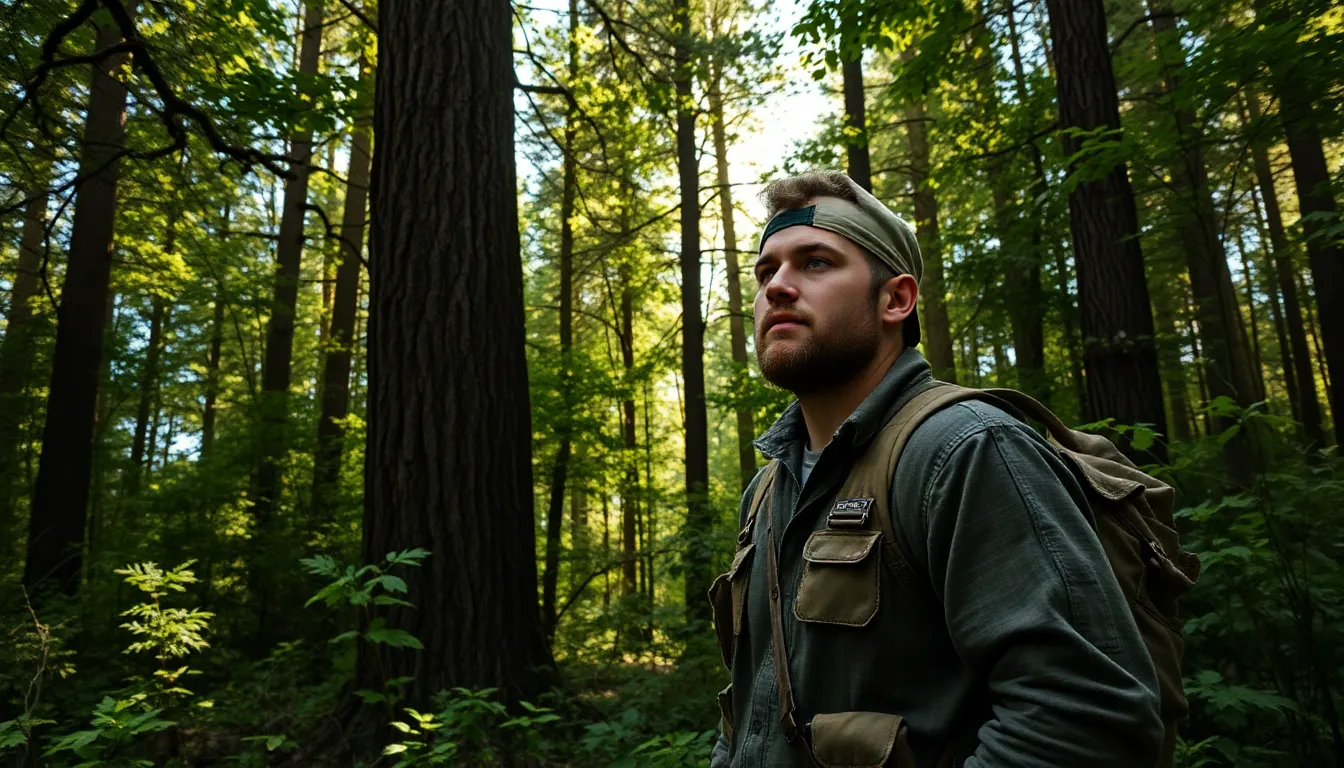
Survival literature often explores deep themes that resonate with readers, making connections to the human spirit and nature.
Resilience And Hope
Resilience frequently emerges as a core theme in survival narratives. Characters often face dire circumstances and showcase their ability to endure hardships. Hope acts as a powerful motivator, pushing individuals to persevere despite overwhelming odds. For instance, in Gary Paulsen’s “Hatchet,” the protagonist maintains hope even while isolated in the wilderness. This theme highlights the strength of the human spirit in adverse conditions, fostering an inspirational narrative. Readers identify with characters driven by determination, reinforcing the belief that survival remains achievable as long as hope exists.
Human Instincts And Nature
Human instincts form another essential element in survival literature. These narratives often illustrate the raw interplay between instinct and nature, emphasizing adaptability in unfamiliar environments. Characters rely on their instincts to navigate challenges such as finding food, building shelter, and avoiding danger. In Cormac McCarthy’s “The Road,” survival instincts become paramount as the father and son traverse a post-apocalyptic landscape, reflecting a primal connection to survival. Nature, portrayed as both adversary and ally, enhances the struggle and necessity for ingenuity in survival scenarios. This dynamic emphasizes the intricate relationship between humanity and the natural world.
Notable Books About Survival
Survival literature features both classic and contemporary works that resonate with readers by exploring themes of resilience, hope, and the human instinct to endure. Essential to understanding survival principles, these books cater to various tastes and experiences.
Classic Titles
“Hatchet” by Gary Paulsen stands as a memorable classic. This novel follows a young boy who must survive alone in the wilderness after a plane crash. Another classic, “The Call of the Wild” by Jack London, depicts a domesticated dog’s return to his primal roots during the Klondike Gold Rush. “Lord of the Flies” by William Golding illustrates the dark side of human nature when young boys become stranded on an island. Each title delves deep into survival themes while highlighting both the physical and psychological challenges faced in extraordinary circumstances.
Contemporary Works
Modern survival literature offers fresh insights and techniques. “The Martian” by Andy Weir presents a gripping account of an astronaut stranded on Mars, relying on ingenuity and science to survive. “Into the Wild” by Jon Krakauer chronicles the true story of Christopher McCandless’s quest for freedom and adventure in the Alaskan wilderness. “Survival Poaching” by Ragnar Benson focuses on practical survival skills in extreme situations, making it an essential guide for outdoor enthusiasts. Contemporary authors blend storytelling and instruction, ensuring readers gain valuable survival knowledge alongside captivating narratives.
How To Choose The Right Survival Book
Selecting the right survival book requires thoughtful consideration of personal interests and intended use.
Consider Your Interests
Identify specific topics that capture interest. Fictional survival stories appeal to readers who enjoy adventure, while non-fiction guides attract those seeking practical skills. Consider whether you prefer survival scenarios based in urban environments or wilderness settings. Exploring survival narratives like “Hatchet” or informative guidebooks by Bear Grylls can align choices with personal preferences. Making a selection that resonates keeps a reader engaged and enhances the learning experience.
Assess Your Purpose
Define the purpose behind acquiring a survival book. Determining whether to enhance outdoor skills or prepare for emergencies shapes the choice. For example, someone interested in hiking might seek out practical guides, while a reader excited about fictional survival tales may focus on character-driven narratives. Conclusively understanding the intention ensures a well-suited selection, leading to valuable insights and a deeper understanding of survival tactics.
Conclusion
Survival literature serves as both a guide and a source of inspiration. Whether readers are drawn to gripping fictional tales or practical non-fiction guides, these books offer invaluable insights into resilience and adaptability. They encourage individuals to embrace their instincts and develop essential skills for navigating both wilderness and urban challenges. By selecting the right survival book, readers not only enhance their outdoor experiences but also cultivate a mindset geared towards overcoming obstacles. The journey through survival narratives is not just about enduring hardships; it’s about discovering hope and the strength within.


 English
  Romanian