
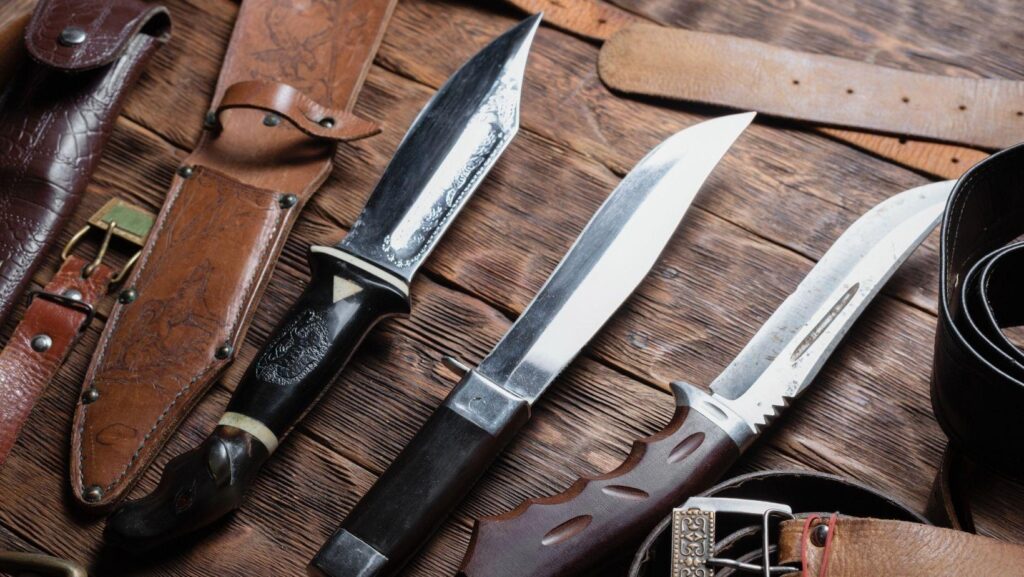
Knives have long held an important place in outdoor activities, collecting, craftsmanship, and tactical equipment. While traditional fixed-blade and folding knives remain popular, more mechanically complex designs have attracted growing interest among enthusiasts. Two examples are OTF knives and butterfly knives, both of which stand out because of their distinctive mechanisms, engineering requirements, and visual appeal.
For collectors and outdoor enthusiasts, the appeal often goes beyond the blade itself. The handle construction, deployment mechanism, materials, machining quality, and overall balance can all influence how a knife is perceived. As manufacturing technology continues to improve, knife makers are able to experiment with increasingly precise designs and customised features.
Understanding what makes these knife styles different can help collectors, brands, and enthusiasts appreciate the amount of engineering involved in their production.
Table of Contents
What Makes OTF Knives Different?
OTF, or “out-the-front,” refers to a knife mechanism in which the blade moves directly through an opening at the front of the handle. Unlike a conventional folding knife, where the blade rotates around a pivot, an OTF mechanism relies on an internal track and spring-based system.
This design creates a very different manufacturing challenge.
The internal components must fit together accurately to ensure consistent movement. Even small variations in machining can affect the operation of the mechanism. For this reason, modern OTF knife manufacturing often involves CNC machining and careful assembly processes.
Collectors are often interested in several characteristics when evaluating an OTF design, including:
- Handle construction
- Blade material
- Internal mechanism
- Surface finish
- Ergonomic shape
- Overall machining quality
- Custom engraving or branding
The combination of mechanical complexity and visual design has helped OTF knives become particularly interesting within the tactical and collector markets.
The Growing Interest in Custom Knife Designs
Mass-produced products can offer consistency, but many brands and collectors are increasingly interested in designs that reflect a particular identity. Customisation allows manufacturers and designers to experiment with materials, finishes, dimensions, and branding.
A custom otf knife project, for example, may involve choices related to blade steel, handle material, coating, engraving, and packaging. For businesses developing their own knife line, these options can help create a product that feels distinct rather than identical to existing catalogue models.
The custom manufacturing process may begin with a technical drawing, CAD model, or even an early concept sketch. Engineers can then review the design and determine whether changes are needed for manufacturing and assembly.
This process is especially important for mechanically complex knives. A design may look attractive on paper, but it must also account for internal components, tolerances, material strength, and repeated use.
Why Precision Manufacturing Is Important
Knife production has changed considerably with the development of modern machining technology. Traditional craftsmanship remains important, but CNC equipment now plays a major role in producing consistent components.
For OTF knives, precision is particularly important because multiple internal parts must work together within a relatively compact handle.
The manufacturing process may involve:
CNC Machining
CNC machines can produce detailed handle components and internal structures with a high level of consistency. This is particularly useful when working with aluminium, titanium, and various steel alloys.
Material Selection
Different materials offer different characteristics. Aluminium can provide a lightweight handle, while titanium is valued for its strength and corrosion resistance. Blade steels may also be selected based on factors such as hardness, toughness, edge retention, and ease of maintenance.
Surface Finishing
A knife’s appearance can change significantly depending on the finishing process. Common options include stonewashed surfaces, satin finishes, coatings, and anodised handles.
Quality Inspection
Functional and dimensional inspections are essential during production. Manufacturers may test blade movement, component alignment, surface quality, and assembly consistency before products leave the factory.
For manufacturers working with international brands, maintaining consistency across larger production runs is just as important as producing an attractive prototype.
Butterfly Knives and the Appeal of Mechanical Movement
Butterfly knives, also known as balisong-style knives, are another distinctive category within knife culture. Their handles rotate around the blade, creating a design that is immediately recognisable.
From a design perspective, butterfly knives place emphasis on balance and pivot construction. The relationship between the blade and handles can significantly affect how the knife feels when handled.
Collectors may pay close attention to:
- Handle weight
- Blade profile
- Pivot construction
- Overall balance
- Handle materials
- Machining details
- Surface finish
Like OTF knives, butterfly knives demonstrate how mechanical design can become part of a product’s identity. The visual movement of the handles and the precision of the components make them particularly interesting from a manufacturing perspective.
However, knife ownership, carrying, and use are regulated differently depending on the country or region. Anyone interested in purchasing, importing, or carrying these products should always check applicable local laws and regulations.
Materials Can Define the Character of a Knife
Material selection plays a major role in modern knife design. It affects not only appearance but also weight, durability, maintenance requirements, and manufacturing cost.
Aluminium
Aluminium is widely used for knife handles because it offers a balance between weight and strength. Different grades and treatments can provide improved durability and corrosion resistance.
Titanium
Titanium is often associated with premium knife designs. It offers excellent strength relative to weight and provides a distinctive appearance. However, machining titanium can require additional expertise and specialised equipment.
Carbon Fibre
Carbon fibre is valued for its lightweight properties and modern visual style. It is often used in combination with metal components to create distinctive handle designs.
G10
G10 is commonly selected for applications where grip and durability are important. Its textured surface can provide a practical feel while also allowing manufacturers to experiment with colours and patterns.
Blade Steels
Blade steel selection can vary widely depending on the intended product category. Manufacturers may choose steels based on the desired balance between toughness, hardness, corrosion resistance, and edge retention.
For a custom project, these choices allow a brand to develop a product with a specific identity and intended market position.
From Concept to Finished Product
Creating a new knife design involves much more than choosing a blade shape. A professional manufacturing process often begins with product development.
The early stages may include sketches, CAD files, technical drawings, and discussions about materials. Engineers can then evaluate whether the design can be manufactured efficiently while maintaining the intended appearance and mechanical performance.
A prototype may be produced before larger-scale manufacturing begins. This gives designers an opportunity to review the product and make adjustments.
Once the prototype is approved, production planning can move forward.
The process may include:
- Reviewing the technical design
- Selecting materials
- CNC machining components
- Producing blade and handle parts
- Applying surface treatments
- Assembling the internal mechanism
- Conducting functional checks
- Adding branding and packaging
- Performing final quality inspection
This structured approach is particularly valuable for OEM and ODM projects where brands want to introduce products under their own name.
The Role of OEM and ODM Manufacturing
The global knife industry includes many brands that work with specialist manufacturers rather than operating their own factories. OEM and ODM manufacturing can make it possible for businesses to develop products without building a complete production facility.
OEM manufacturing generally focuses on producing a design according to a customer’s specifications. ODM services may involve adapting or developing designs with support from the manufacturer’s engineering team.
For emerging knife brands, this can provide access to manufacturing expertise and advanced equipment.
OTF Factory, for example, presents itself as a direct OEM/ODM manufacturer specialising in tactical and automatic knife production. According to its published company information, the business focuses on CNC machining, prototype development, custom materials, branding options, and quality-control processes for international B2B customers.
This type of manufacturing partnership can be useful for companies looking to develop catalogue products, private-label collections, or completely new designs.
Knife Collecting as a Technical Hobby
Knife collecting is often viewed simply as an interest in sharp tools, but for many enthusiasts, it is also an appreciation of engineering and craftsmanship.
Collectors may focus on specific categories such as:
- Traditional folding knives
- Fixed-blade outdoor knives
- Tactical designs
- OTF mechanisms
- Butterfly knives
- Handmade knives
- Limited-edition models
- Custom designs
Each category has its own community and design traditions.
Some collectors are particularly interested in the history of a knife style, while others focus on materials or modern manufacturing technology. For example, a collector might compare different blade steels or examine how CNC machining has changed the precision of contemporary knife production.
The mechanical design of OTF and butterfly knives can make them especially interesting because their movement is a visible part of the product experience.
Outdoor and Camping Considerations
For outdoor enthusiasts, knives are often evaluated differently from collector pieces. Practical considerations may include durability, weight, corrosion resistance, ease of maintenance, and suitability for specific tasks.
Camping and outdoor activities can expose equipment to moisture, dirt, and changing temperatures. Therefore, choosing appropriate materials and maintaining equipment properly are important.
Basic knife care may include:
- Keeping the tool clean and dry
- Checking for moisture after outdoor use
- Maintaining moving components according to manufacturer guidance
- Inspecting screws and hardware
- Storing knives safely when not in use
- Following local transport and ownership regulations
The intended purpose of the knife should always influence the design selection. A collector may prioritise appearance and unusual materials, while an outdoor enthusiast may focus more heavily on durability and practicality.
Why Design Details Matter
Small details can have a significant effect on the final appearance and identity of a knife.
A change in handle texture, blade finish, engraving, or hardware can make a familiar design feel completely different. This is one reason why custom manufacturing has become increasingly important within enthusiast markets.
Brands can create a stronger visual identity through elements such as logos, custom packaging, unique colour combinations, and specialised finishes.
At the same time, good design should not focus only on appearance. Ergonomics, manufacturing tolerances, material compatibility, and long-term durability also need to be considered.
The most successful designs often combine visual appeal with thoughtful engineering.
The Future of Precision Knife Manufacturing
Advances in CNC machining, CAD design, material science, and production technology are likely to continue influencing the knife industry.
Manufacturers can now develop prototypes more efficiently and produce increasingly detailed components with greater consistency. This creates opportunities for established brands as well as smaller companies entering specialised markets.
Customisation is also expected to remain important. Businesses increasingly want products that reflect their own identity rather than relying entirely on standard designs.
As a result, collaboration between designers, engineers, and manufacturers will continue to shape the development of OTF knives, butterfly knives, and other specialised products.
For collectors and enthusiasts, these developments offer more variety in materials, finishes, mechanisms, and design concepts. For brands, they create new possibilities for developing distinctive products through experienced OEM and ODM manufacturing partners.
Ultimately, the appeal of modern knife design lies in the combination of craftsmanship and engineering. Whether someone appreciates the mechanical structure of an OTF knife, the distinctive movement of a butterfly knife, or the detailed finish of a custom-made model, precision remains at the centre of the experience. As manufacturing technology evolves, the connection between creative design and technical accuracy will continue to define the future of this specialised industry.


 English
  Romanian