
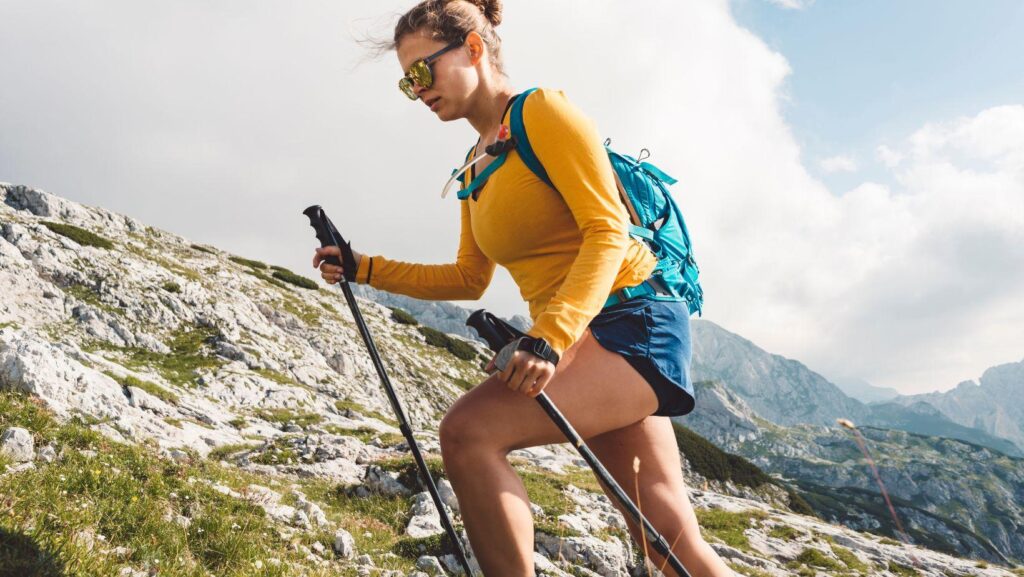
The right gear improves safety, comfort, and performance. It also reduces fatigue and helps you respond to changing conditions. Every outdoor activity places different demands on your clothing and equipment. A hiking kit rarely works well for technical climbing.
Selecting equipment should start with the environment, expected weather, terrain, and trip duration. Once those variables are clear, every gear decision becomes easier.
Table of Contents
Start With a Layering System
Your clothing system controls body temperature before any jacket or sleeping bag does. Sweat management is just as important as insulation.
The standard three layer approach remains highly effective.
- Base layer that moves moisture away from the skin
- Mid layer that traps heat
- Outer shell that blocks wind and rain while remaining breathable
Avoid cotton for active outdoor use. Synthetic fabrics and merino wool provide much better moisture management in changing conditions. Proper layering also allows quick adjustments during climbs or long hikes without overheating.
If your activity includes scrambling or climbing, mobility becomes essential. Stretch fabrics, articulated knees, and harness compatible designs improve efficiency on steep terrain. Many teams also choose custom climbing apparel to create consistent technical clothing systems that perform well while improving team identification during organized events.
Match Footwear to the Terrain
Footwear deserves more attention than almost any other piece of equipment.
Trail runners work well on maintained paths with light loads.
Mid height hiking boots provide additional ankle support and protection on uneven terrain.
Technical mountaineering boots are designed for snow, ice, and crampon compatibility.
Fit matters more than brand. The boot should secure the heel while leaving enough room for toe movement during descents. Merino wool and synthetic socks help reduce friction and manage moisture.
Choose Packs Based on Load
Many people buy oversized backpacks.
Instead, calculate your expected load first.
Typical capacity ranges include:
- 15 to 25 liters for day hikes
- 30 to 50 liters for overnight trips
- 55 to 75 liters for multi day expeditions
- Larger packs for extended unsupported travel
Heavy items should stay close to your back to improve balance and reduce strain. Compression straps also help stabilize the load on uneven ground.
Climbing Requires Specialized Equipment
Rock climbing introduces forces that standard outdoor gear cannot safely handle.
Certified helmets protect against rockfall and impact.
Harnesses distribute loads across the hips and legs during falls.
Dynamic ropes absorb fall energy through controlled stretch. Static ropes should never replace climbing ropes during lead climbing.
Carabiners, belay devices, quickdraws, and protection hardware should always meet recognized safety certifications.
Weather Forecasts Influence Every Decision
Outdoor gear should always match expected conditions.
Warm weather increases the importance of ventilation, hydration, and sun protection.
Cold weather shifts priorities toward insulation and moisture control.
Wet environments require waterproof shells with breathable membranes. Wind can make temperatures feel much lower, making a lightweight shell an important layer even during active movement.
Small Accessories Make a Big Difference
Minor equipment often prevents major problems.
Carry essentials such as:
- Navigation tools
- Headlamp with spare batteries
- Emergency shelter
- Water filtration system
- First aid kit
- Multi tool
- Fire starting equipment
- Weather appropriate gloves and hat
These items take little space but provide valuable protection when conditions change.
Invest in Quality Instead of Quantity
Buying gear for specific conditions is more effective than purchasing equipment for every possible scenario.
High quality equipment generally lasts longer because it uses stronger materials and better construction.
The outdoor recreation industry continues to grow. According to the Outdoor Industry Association, 181.1 million Americans participated in outdoor recreation in 2024, representing nearly 58% of the U.S. population.
Choosing the right gear reduces risk and improves efficiency. Match equipment to the activity, understand its limitations, and maintain it properly. Good preparation allows you to focus on the environment instead of your equipment.


 English
  Romanian