

Picture this: You are merging onto the 101 during the Tuesday morning rush. You are surrounded by a mix of hurried commuters, private tech shuttles, and autonomous vehicles testing their latest sensors. Commuting on major South Bay highways like the 101, 280, or 880 is notoriously stressful. It is a daily routine that most residents navigate entirely on autopilot. Yet, beneath the familiar gridlock lies a complex web of risk unique to this region.
Silicon Valley’s intersection of high-speed expressways, “plugged-in” drivers, and experimental road tech requires a hyper-local approach to road safety and legal protection. What works for accident claims in other parts of California simply does not apply to the specific economic and technological landscape of Santa Clara County.
Table of Contents
Mapping San Jose’s High-Injury Network
To stay safe in the South Bay, you must know where the friction points are. San Jose’s Department of Transportation tracks a specific “High-Injury Network”—corridors where severe accidents and fatalities happen with alarming frequency. Monterey Road, Tully Road, and Capitol Expressway consistently rank as top Priority Safety Corridors. These routes mix heavy commercial trucking, rapid residential expansion, wide lanes, and insufficient pedestrian infrastructure to create a perfect storm for collisions.
Regional data confirms the severity of the broader county risk. There were 15,103 reported total collisions in Santa Clara County in 2023, resulting in 93 fatalities. This sobering figure highlights that defensive driving on South Bay roads is a daily necessity to protect yourself and your passengers.
Speeding remains the primary catalyst for these tragedies, especially on long, straight expressways that look like freeways but feature unexpected traffic signals and crosswalks. Official city data points out that in 2022, 670 people were killed or injured in speeding-related collisions in San Jose.
“For every 10 miles per hour increase, the risk of dying in a crash doubles. You are four times as likely to die in a crash at 45 mph than at 25 mph.”
Understanding the risks on these high-injury corridors is just one part of staying protected. Whether you’re navigating complex traffic patterns or facing the aftermath of an accident, having access to expert legal advice can make a critical difference. From reviewing evidence to guiding you through local regulations and insurance processes, a skilled law firm can help ensure your case is fully supported and handled effectively.
Municipal Liability and Vision Zero
Local governments have a fundamental responsibility to keep public roads safe. San Jose’s Vision Zero initiative aims to eliminate traffic fatalities through targeted infrastructure upgrades. There is verifiable progress on this front. According to recent reporting, San Jose traffic fatalities dropped to 41 in 2025, marking a 16% decrease from the previous year.
Despite these improvements, dangerous road infrastructure still plagues many neighborhoods, and funding for necessary safety projects often lags. When an accident occurs due to poorly designed or maintained streets, the legal concept of “dangerous conditions of public property” comes into play.
A dangerous condition exists when public property creates a substantial risk of injury when used with due care. On San Jose’s Priority Safety Corridors, these hazards often look like:
- Inadequate street lighting at busy crosswalks.
- Missing, damaged, or confusing traffic signage.
- Faded lane markings that disorient drivers at night.
- Neglected trees or landscaping obscuring stop lights.
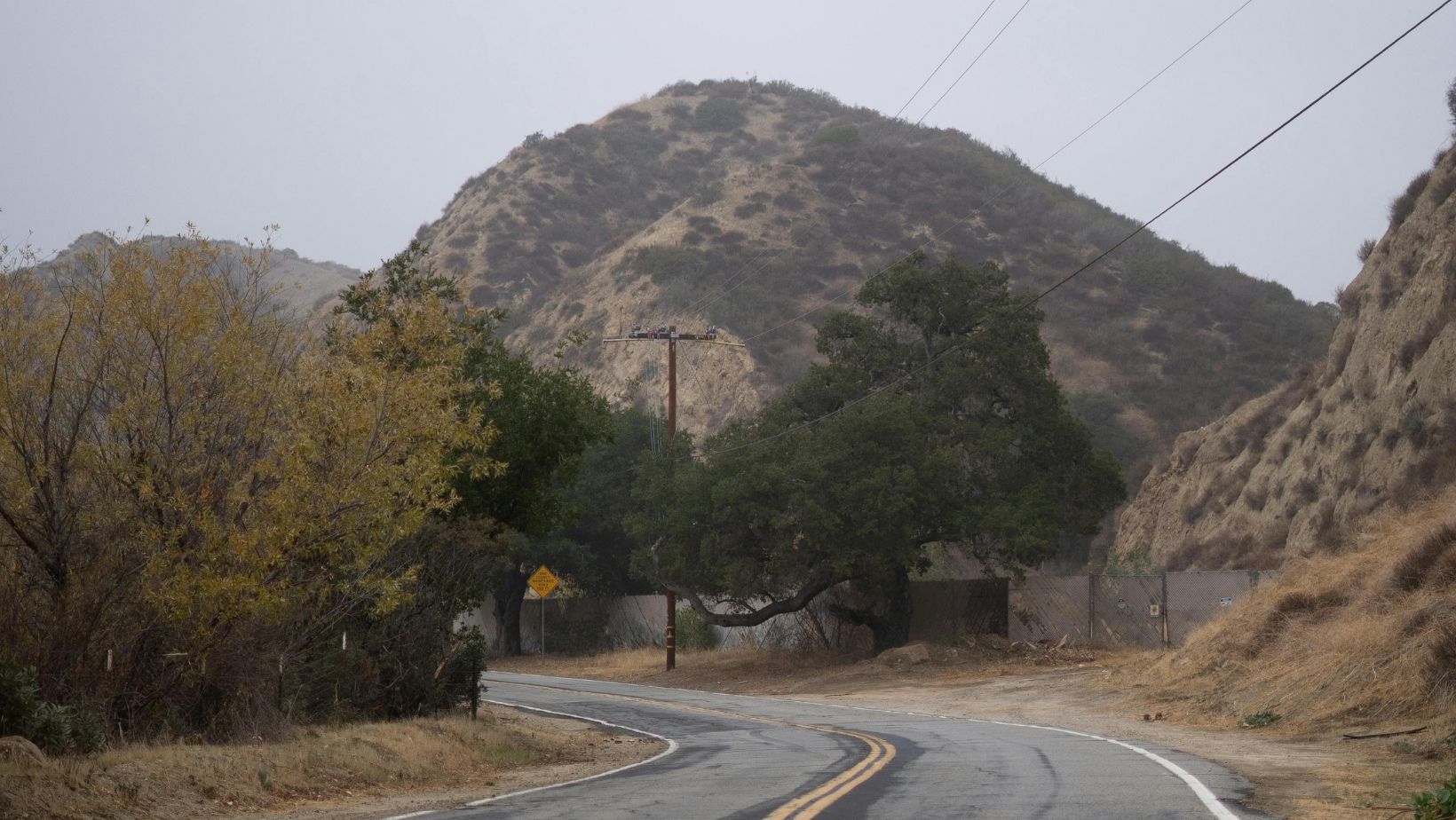
Holding the city accountable is a distinct and complex legal process. If the municipality fails to implement basic Vision Zero safety measures in known, well-documented high-injury areas, they can be investigated. When public entities have notice of a danger—usually through previous accident reports or citizen complaints—and fail to fix it, they can be held liable for the resulting tragedies. Pursuing these claims not only provides justice for the victims but forces systemic changes that protect future drivers.
The “Silicon Valley Reality” of Legal Claims
Wrongful death and personal injury claims in Santa Clara County require a nuanced financial approach. We refer to this as the “Silicon Valley Reality.” The loss of a tech-sector income goes far beyond a standard bi-weekly base salary.
To accurately value a claim, legal teams must work closely with forensic economists. These experts project the lifelong value of the victim’s total compensation package. Failing to account for these specific corporate structures can leave families severely under-compensated for their true economic loss.
Corporate accountability is another major factor in South Bay claims. Commuters frequently run work errands, pick up clients, or travel to off-site meetings during the day. If a driver causes a fatal crash while performing duties for their employer, the legal doctrine of Respondeat Superior (Scope of Employment) applies.
Finally, the law recognizes that the modern family structure is diverse. California Code of Civil Procedure § 377.60 establishes clear legal standing for non-traditional and blended families to seek justice. This ensures that domestic partners, stepchildren, and other financial dependents have a distinct voice and legal avenue in wrongful death claims.
Conclusion
Surviving the daily commute in the South Bay requires constant vigilance. Drivers must navigate a landscape where old infrastructure flaws collide directly with new technological hazards. Protecting your family means memorizing the High-Injury Network routes, anticipating distracted drivers, and understanding exactly how autonomous vehicles behave on the road.
Remember that navigating a tragedy is not just a legal battle; it is an emotional journey. Beyond securing fierce legal advocacy, families should lean on local emotional support networks.


 English
  Romanian