
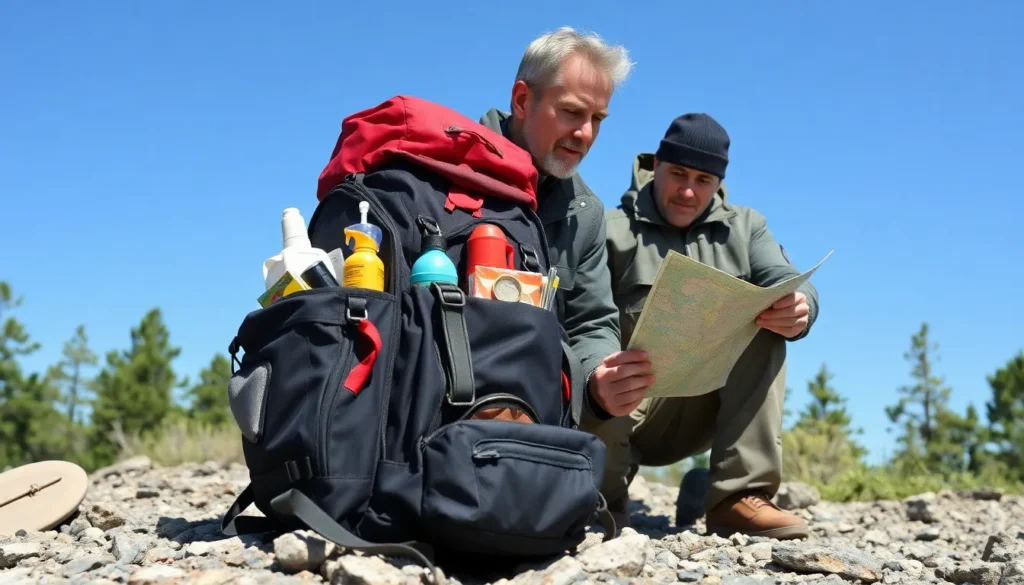
When disaster strikes, the last thing anyone wants is to be caught unprepared. Imagine a world where your Wi-Fi is down and the coffee shop is closed. Panic sets in, but not for those equipped with a 72-hour survival kit. This handy little treasure chest of essentials can mean the difference between thriving and merely surviving.
Picture this: you’ve got food, water, and a flashlight that doesn’t require a degree in engineering to operate. It’s like having a superhero sidekick, ready to save the day when life throws a curveball. Whether you’re facing a natural disaster or an unexpected camping trip with friends, a well-stocked survival kit ensures you’re ready for anything. So, let’s dive into what makes a 72-hour survival kit a must-have for every home.
Table of Contents
72 Hour Survival Kit
The 72-hour survival kit serves as a vital resource during emergencies. Preparedness equips individuals with essential items needed to sustain life for three days.
Purpose of a Survival Kit
A survival kit ensures access to critical resources during unexpected events. The primary purpose centers on providing food, water, and medical supplies. Emergencies often disrupt normal routines; hence, this kit reduces stress and increases self-sufficiency. Additionally, outdoor activities like camping may require similar supplies. Being ready fosters confidence and peace of mind.
Essential Components
Essential components enhance the effectiveness of a survival kit. Food sources should include non-perishable items like energy bars, canned goods, and dried fruits. Clean water is necessary; a minimum of one gallon per person per day suffices. First aid supplies must be readily available, including bandages, antiseptics, and medications. Tools like a flashlight, multi-tool, and whistle offer their own practical functions. Blankets or a sleeping bag help with warmth. Including hygiene products, maps, and emergency contacts contributes to overall preparedness.
How to Build a 72 Hour Survival Kit
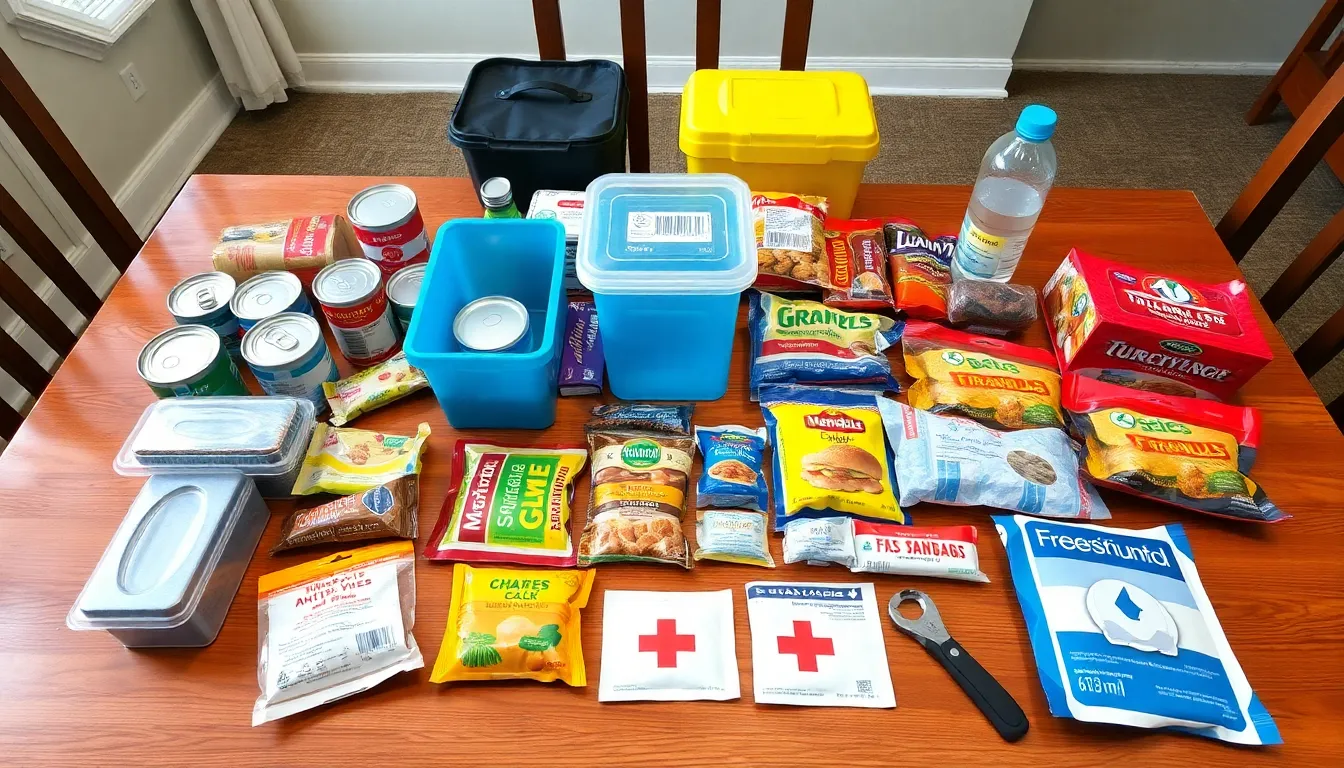
Building a 72-hour survival kit requires careful selection of essential supplies. Proper planning ensures readiness for emergencies.
Food and Water Supplies
Include non-perishable food items that require minimal preparation. Options like canned goods, granola bars, and freeze-dried meals provide necessary nutrition. Each person needs a minimum of one gallon of clean water per day. Store enough water to last for three days for each individual. Energy-dense foods such as nuts and dried fruit can be valuable as well. Don’t forget to include a manual can opener if you opt for canned food. Check expiration dates regularly to ensure freshness of supplies.
First Aid and Medical Supplies
Assemble a comprehensive first aid kit featuring critical items. Supplies should include adhesive bandages, antiseptic wipes, gauze pads, and medical tape. Pain relievers like ibuprofen are important for pain management. Include any necessary personal medications for family members. A thermometer and tweezers also enhance the kit’s effectiveness. Consider adding emergency blankets, which provide warmth. Familiarity with basic first aid procedures can increase preparedness significantly.
Organizing Your Survival Kit
Organizing a 72-hour survival kit requires careful consideration of storage options and the importance of labeling and maintenance.
Storage Options
Various storage containers serve distinct purposes. Durable plastic bins offer weather resistance and stackability. A sturdy backpack facilitates mobility, making transportation easy during evacuations. Vacuum-sealed bags preserve food and space within the kit. Consider a waterproof container for essential items, protecting them from moisture. Using clear containers aids in quickly identifying contents during emergencies.
Labeling and Maintenance
Labeling items enhances accessibility. Use bright, easy-to-read labels for quick identification of food, medical supplies, and tools. Regular maintenance is vital for ensuring readiness. Check expiration dates of food and medical supplies every six months. Replace outdated items promptly. Store the kit in a known location, facilitating prompt retrieval in emergencies. Keeping the kit organized maximizes efficiency and fosters preparedness.
Tips for Using Your 72 Hour Survival Kit
Utilizing a 72-hour survival kit effectively enhances preparedness during emergencies. These practical tips ensure individuals maximize their kits’ potential.
Situational Awareness
Situational awareness defines understanding one’s environment during crises. People should assess their surroundings to identify hazards and potential risks. Awareness includes keeping track of local news, weather updates, and emergency alerts. Individuals must remain alert to changes that could affect survival strategies. Observing nearby resources such as shelters or food sources aids in better decision-making. By staying informed, they can adjust their plans accordingly. An individual’s knowledge of local evacuation routes enhances safety as well.
Emergency Preparedness
Emergency preparedness involves anticipating likely scenarios. Assessing personal needs helps prioritize essential items in the survival kit. Individuals should tailor their kits based on family size, dietary restrictions, and specific health requirements. Familiarity with kit contents promotes efficiency during emergencies. Regular practice of using tools included in the kit can increase confidence. Additionally, involving all family members in preparedness plans strengthens overall readiness. Creating a communication strategy ensures everyone knows how to connect in case of separation. Preparedness ultimately leads to effective responses in challenging situations.
Conclusion
A 72-hour survival kit is more than just a collection of supplies; it’s a lifeline during emergencies. By assembling a well-thought-out kit, individuals can ensure they have the essentials to weather unexpected situations with confidence. Regular maintenance and organization of the kit enhance its effectiveness, making it easy to access when needed.
Preparation fosters peace of mind and empowers individuals to handle crises effectively. Whether for natural disasters or outdoor adventures, having a survival kit tailored to personal needs is a smart investment. Taking the time to prepare today can make all the difference tomorrow.


 English
  Romanian