Beargryllsgear

Survive in the Wild With the Latest Gear

Campfire Cooking After a Coastal Catch: From Shore to Meal

4 min read

The Coastal Camping Advantage

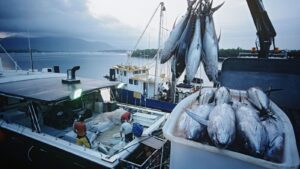
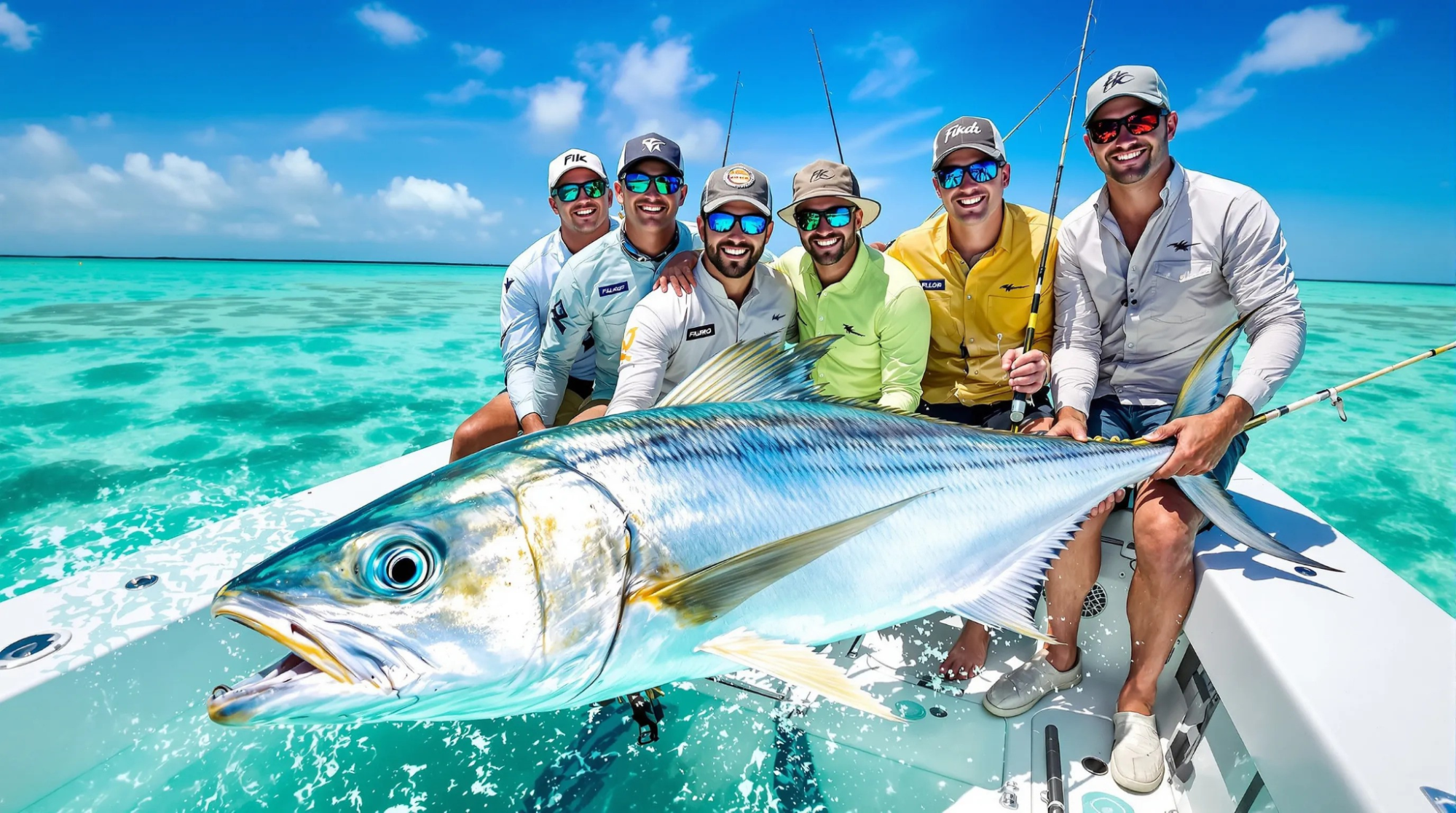
Camping by the coast offers a unique opportunity for outdoor enthusiasts to combine fishing with practical food preparation skills. Unlike inland trips, coastal environments provide access to a wider variety of edible resources, from line-caught fish to shoreline finds that can supplement your meals. This diversity makes coastal camping both rewarding and practical for those looking to rely more on their surroundings.

Early mornings often begin with casting into the surf, while quieter moments throughout the day allow for exploration along the shore. This balance between active fishing and passive gathering encourages a more complete outdoor experience, where food is not just brought along but actively sourced.

Expanding Your Catch Beyond the Rod

While rods, reels, and bait are essential, experienced campers know that relying on one method alone can limit success. Exploring the shoreline can reveal additional food sources that are often overlooked by beginners.

In many coastal areas, you may encounter shellfish buried in wet sand or tucked between rocks. Alongside these, small fish, crabs, and other coastal species can also be collected with minimal tools. Learning to recognize these opportunities increases your chances of securing a reliable meal, especially when fishing conditions are slow.

By combining traditional fishing with shoreline awareness, you maximize your efficiency and adaptability in the wild.

Responsible Gathering and Safety

Before collecting any food from the shoreline, it is essential to understand local regulations and environmental conditions. Some areas may have restrictions due to conservation efforts or water quality concerns. Always check local guidelines to ensure you are gathering safely and legally.

Equally important is knowing where not to collect. Avoid polluted areas, stagnant water, or locations near heavy human activity. Paying attention to tides is also critical, as rising water can quickly change conditions and create dangerous situations.

Responsible gathering ensures not only your safety but also the sustainability of the environment for future trips.

Preparing Your Catch at Camp

Once you’ve secured your catch, preparation becomes the next step. Whether it’s fish caught from the surf or items gathered along the shoreline, proper cleaning is essential for both taste and safety.

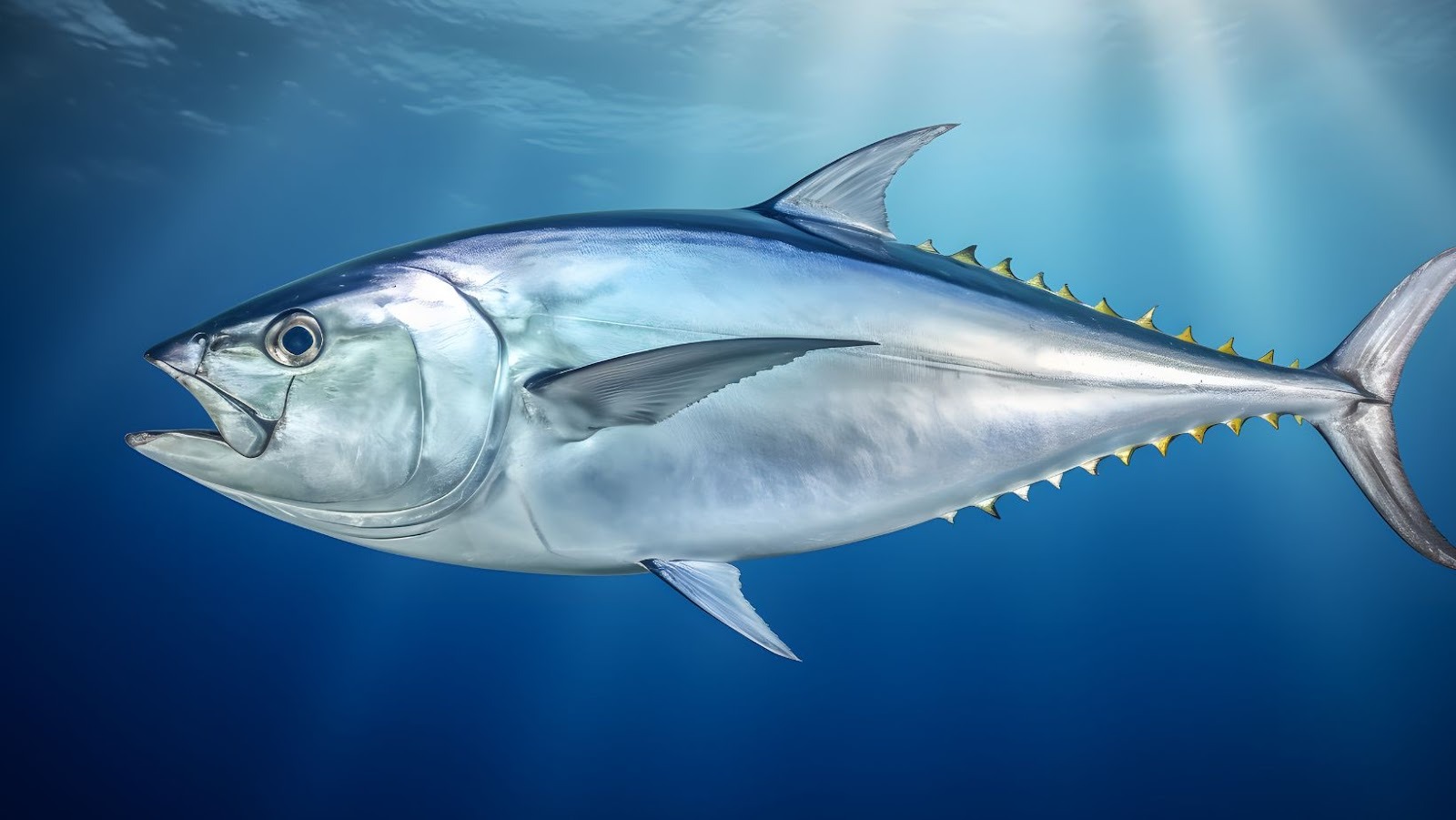
Fish should be cleaned and gutted as soon as possible to preserve freshness. Scaling, filleting, or simply cooking whole fish are all viable methods depending on your tools and experience. Keeping things simple is often the best approach when camping.

If you’ve gathered shellfish along the way, understanding proper handling is equally important. For those new to it, learning how to cook fresh clams on your camping trip can help ensure they are prepared safely and effectively alongside your main catch.

Cooking Over an Open Flame

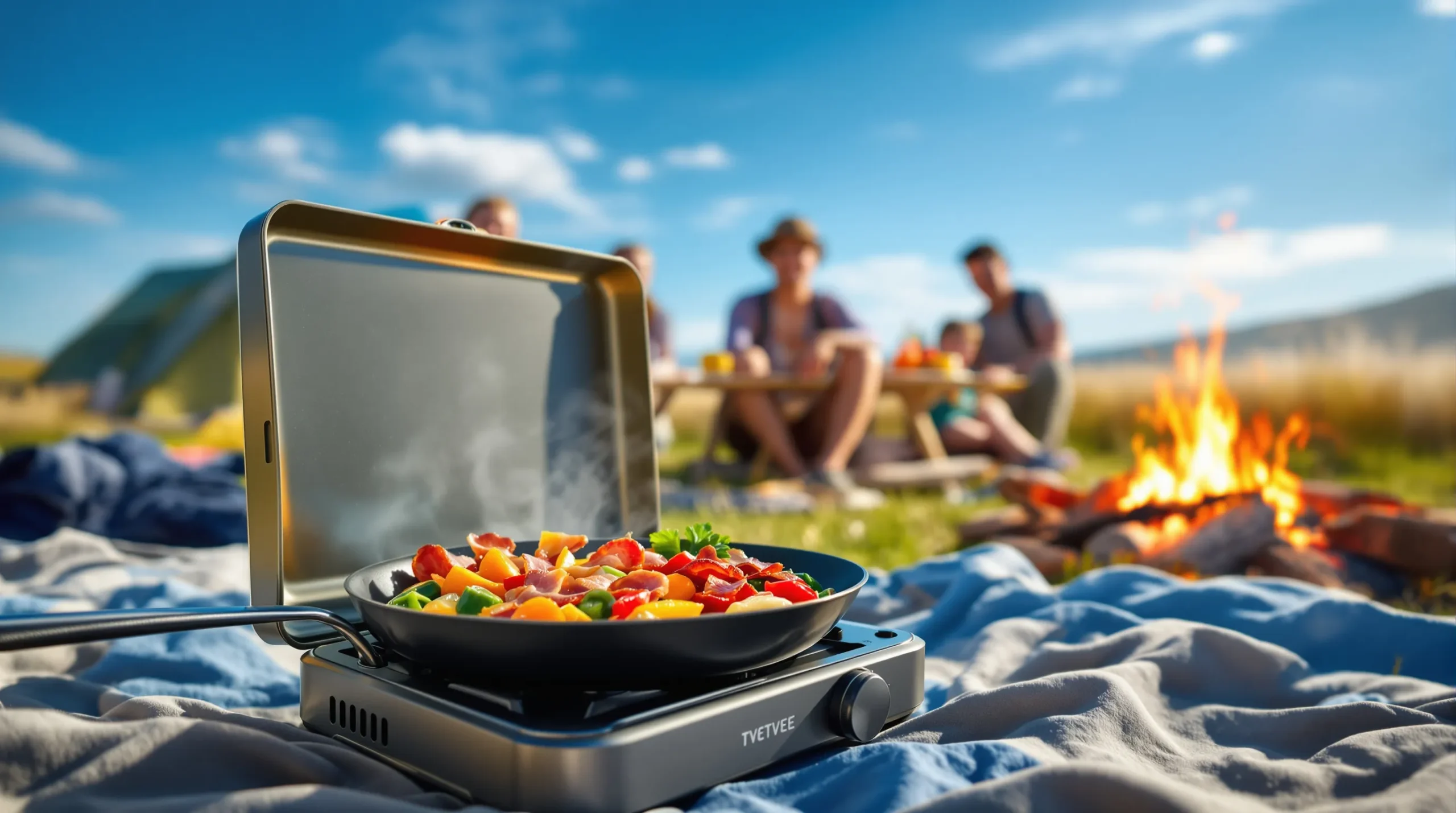
Campfire cooking requires a different mindset compared to cooking at home. Heat levels are less controlled, and adjustments must be made based on the fire’s intensity. This unpredictability is part of the experience and adds to the challenge.

Fish can be grilled directly over the fire, wrapped in foil, or cooked on a flat surface. Each method offers its own advantages depending on the type of fish and available equipment. Simple seasoning, such as salt and herbs, is often enough to bring out natural flavors.

For smaller catches or additional finds, a pot over the fire can be used to create a simple stew or steamed dish. This method is efficient and allows multiple ingredients to be combined into one meal.

Keeping It Simple and Effective

When camping, simplicity is key. Carrying excessive ingredients or equipment can weigh you down and complicate the experience. Instead, focus on a few versatile tools and basic seasonings that can be used in multiple ways.

Freshly caught fish requires minimal enhancement. Cooking it shortly after catching ensures the best flavor and texture. Combining it with basic ingredients like garlic, citrus, or wild herbs can elevate the meal without adding complexity.

This minimalist approach aligns with the core principles of outdoor living—efficiency, adaptability, and resourcefulness.

Building Confidence Through Practice

Every fishing and camping trip is an opportunity to build skills. From casting techniques to fire management and food preparation, each step contributes to greater confidence in the outdoors.

Mistakes are part of the process. Overcooking, under-seasoning, or struggling with preparation are all learning experiences that improve your abilities over time. The key is consistency and willingness to adapt.

As you gain experience, you’ll find yourself becoming more efficient, making better decisions, and enjoying the process even more.

The Reward of Self-Reliance

There is a unique satisfaction that comes from preparing a meal entirely from what you’ve caught or gathered. It reinforces the value of self-reliance and connects you more deeply with your environment.

Sharing this meal with others enhances the experience. It transforms a simple act of cooking into a meaningful moment of connection and accomplishment.

Whether it’s a freshly caught fish or a combination of different finds, the reward lies not just in the meal itself but in the effort behind it.

From Shore to Meal

The journey from catching your food to cooking it over a fire represents the essence of outdoor living. It requires patience, awareness, and practical skill, all working together to create a complete experience.

Fishing remains the foundation of most coastal camping trips, but expanding your approach to include shoreline exploration adds depth and flexibility. It ensures that you are not relying on a single method and increases your chances of success.

By understanding how to cook fresh seafood on your camping trip, along with other types of catches, you equip yourself with the knowledge to make the most of any coastal environment.

In the end, it’s this full process—from shore to meal—that defines the true value of a well-executed camping adventure.

en_USEnglish