
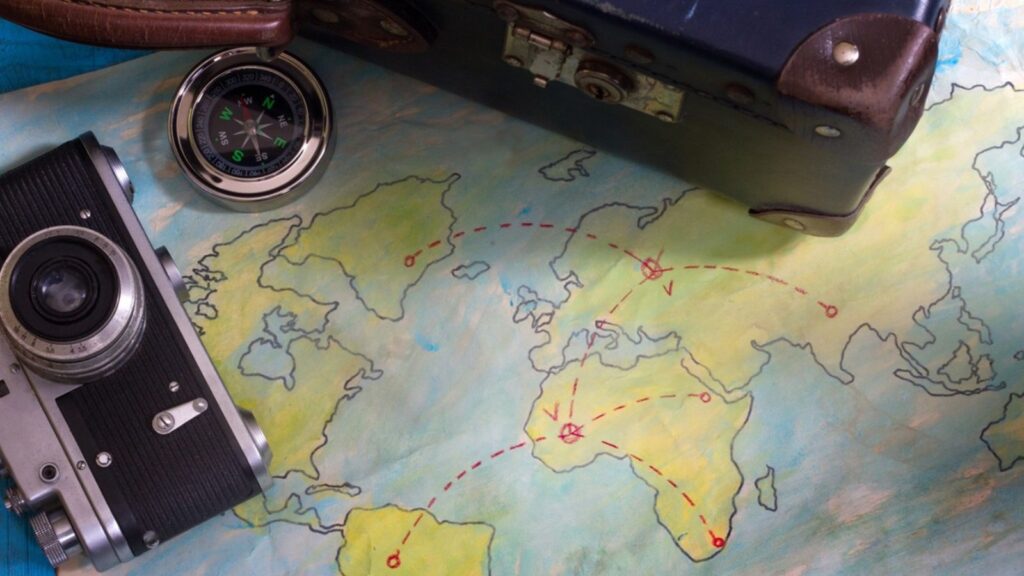
Imagine furnizată de Dreamstime.com
There’s a special kind of thrill that comes with planning a photography-focused trip. It’s not just about choosing where to go—it’s about imagining the golden-hour landscapes, local life captured in perfect light, and those unrepeatable moments frozen forever in your frame.
Dar transformarea unui vis de călătorie într-o expediție fotografică productivă și plină de satisfacții necesită mai mult decât să arunci un aparat foto în rucsac. Este nevoie de viziune, pregătire, flexibilitate și instrumentele potrivite pentru a vă sprijini procesul creativ de la început până la sfârșit.
Whether you’re embarking on a weekend road trip or a month-long international adventure, this guide will help you plan the perfect photography trip—full of unforgettable images, efficient workflow, and meaningful storytelling.
Cuprins
1. Definește-ți scopul înainte de a împacheta
Înainte de a rezerva bilete de avion sau de a cumpăra echipament, întrebați-vă: Ce fel de călătorie fotografică va fi aceasta?
Este pentru:
- Vă construiți portofoliul?
- Creați conținut pentru un client?
- Capturați amintiri de călătorie pentru plăcerea personală?
- Căutați locații pentru proiecte viitoare?
- Vânzarea imaginilor ca printuri sau fotografii de stoc?
Your goals will shape your entire trip—from location choices to equipment, time of day you’ll be shooting, and how much you’ll need to move around.
For example, if you’re aiming to license your work later, you’ll need model and property releases where necessary. If you’re focused on landscape photography, you may prioritize national parks and weather forecasts over cities and events.
Având un obiectiv clar, itinerariul dvs. rămâne concentrat, iar lista de echipament rămâne restrânsă.
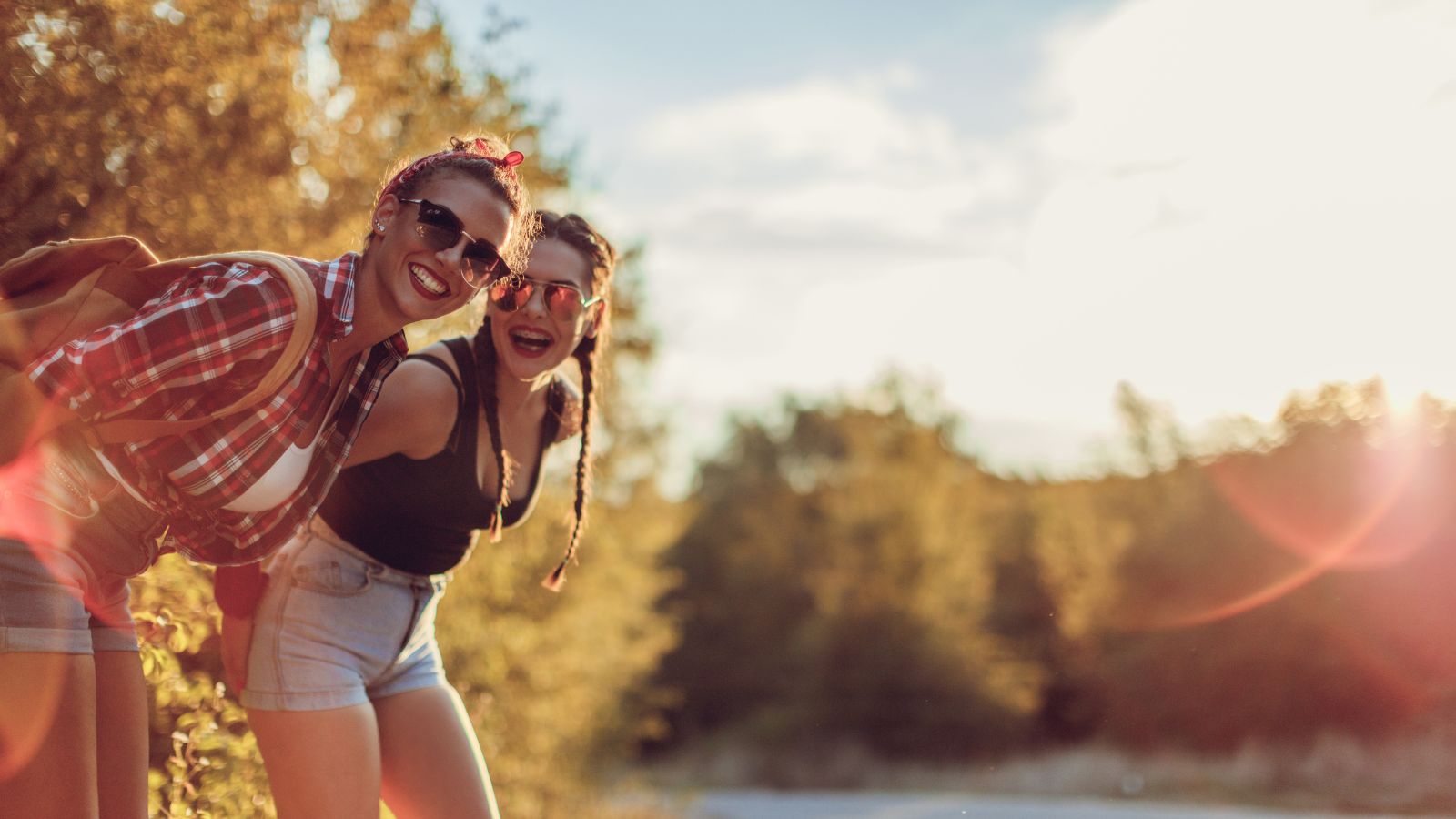
2. Alegeți destinația potrivită la momentul potrivit
Nu toate locurile strălucesc pe tot parcursul anului. Când călătoriți contează la fel de mult ca și locul.
Cercetați specificul destinației, cum ar fi:
- Lumina și vremea: Când este cea mai bună oră de aur? Va fi ceață, va ploua, va fi uscat?
- Evenimente sezoniere: Festivalurile, migrațiile, recoltele sau ceremoniile culturale pot adăuga oportunități vizuale unice.
- Tourist density: Consider off-peak times to avoid crowds and cliché angles.
- Siguranța și accesibilitatea: Veți face drumeții pentru a obține fotografii? Sunt necesare permise?
Sometimes, lesser-known destinations deliver better results because they haven’t been photographed to death. Think beyond the famous viewpoints and explore the quiet edges of the map.
Pro tip: Look at photographers’ blogs, not just travel websites. First-hand shooting experiences are often more insightful.
3. Construiți un itinerar flexibil, ușor de fotografiat
Photography trips don’t follow tourist schedules.
If your goal is to shoot during the best light (usually sunrise and sunset), plan your days around it—not sightseeing openings. You’ll likely need midday downtime and early mornings, so don’t overbook your schedule.
Un itinerar bun echilibrează:
- Momente prielnice de fotografiere: Blocați diminețile timpurii și după-amiezile târzii.
- Timp de odihnă și de călătorie: Evitați să vă epuizați sau să pierdeți ora de aur din cauza transferurilor lungi.
- Opțiuni de rezervă: Vreme rea? Pregătiți locații interioare sau alternative.
- Repeat visits: If a location is critical, plan to shoot it more than once—conditions change!
Lăsați loc pentru rătăcire. Unele dintre cele mai bune momente fotografice se întâmplă atunci când te rătăcești sau dai peste ceva neașteptat.
4. Împachetați inteligent: Echipament esențial fără supraîncărcare
Tentația de a aduce toate obiectivele pe care le dețineți este reală. Dar pe drum, fiecare kilogram în plus contează.
Here’s a minimalist gear checklist to cover most scenarios:
- Camera body (or two if you’re a pro and need backup)
- Lenses: One wide (16–35mm), one fast prime (35mm or 50mm), and one telephoto (70–200mm) cover most needs
- Tripod: Lightweight carbon fiber if you’ll be hiking
- Filtre: Polarizator pentru peisaje, filtre ND pentru expuneri lungi
- Batteries and charger: Bring 2–3 batteries minimum
- Carduri SD: Mai multe decât credeți că aveți nevoie, preferabil viteze de scriere rapide
- SSD portabil sau hard disk: Backup zilnic
- Șervețele pentru lentile și kit de curățare
- Adaptor de priză de călătorie (în străinătate)
- Camera rain cover or dry bag
Optional but helpful:
- Drone: Check local regulations
- GoPro or action cam: For behind-the-scenes or immersive shots
- Notebook or shot list: To track ideas and locations
And don’t forget insurance. Both for gear and travel.
5. Utilizați instrumente și aplicații pentru a căuta locații
Your phone is as important as your camera when it comes to preparation.
Here are some apps and tools that photographers swear by:
- PhotoPills or The Photographer’s Ephemeris: Plan light, sun/moon position, Milky Way alignment, and more.
- Google Earth/Maps: Virtual scouting. Use street view and satellite to plan angles and assess accessibility.
- AllTrails: Great for discovering hike-in locations and off-the-grid shooting spots.
- Instagram and Pinterest: Find inspiration and hidden gems—but strive to add your own spin.
- Windy or AccuWeather: For hyper-local weather tracking.
- Sun Surveyor: Detailed solar planning for golden hour chasers.
When possible, talk to locals or guides—they often know photogenic spots tourists never see.
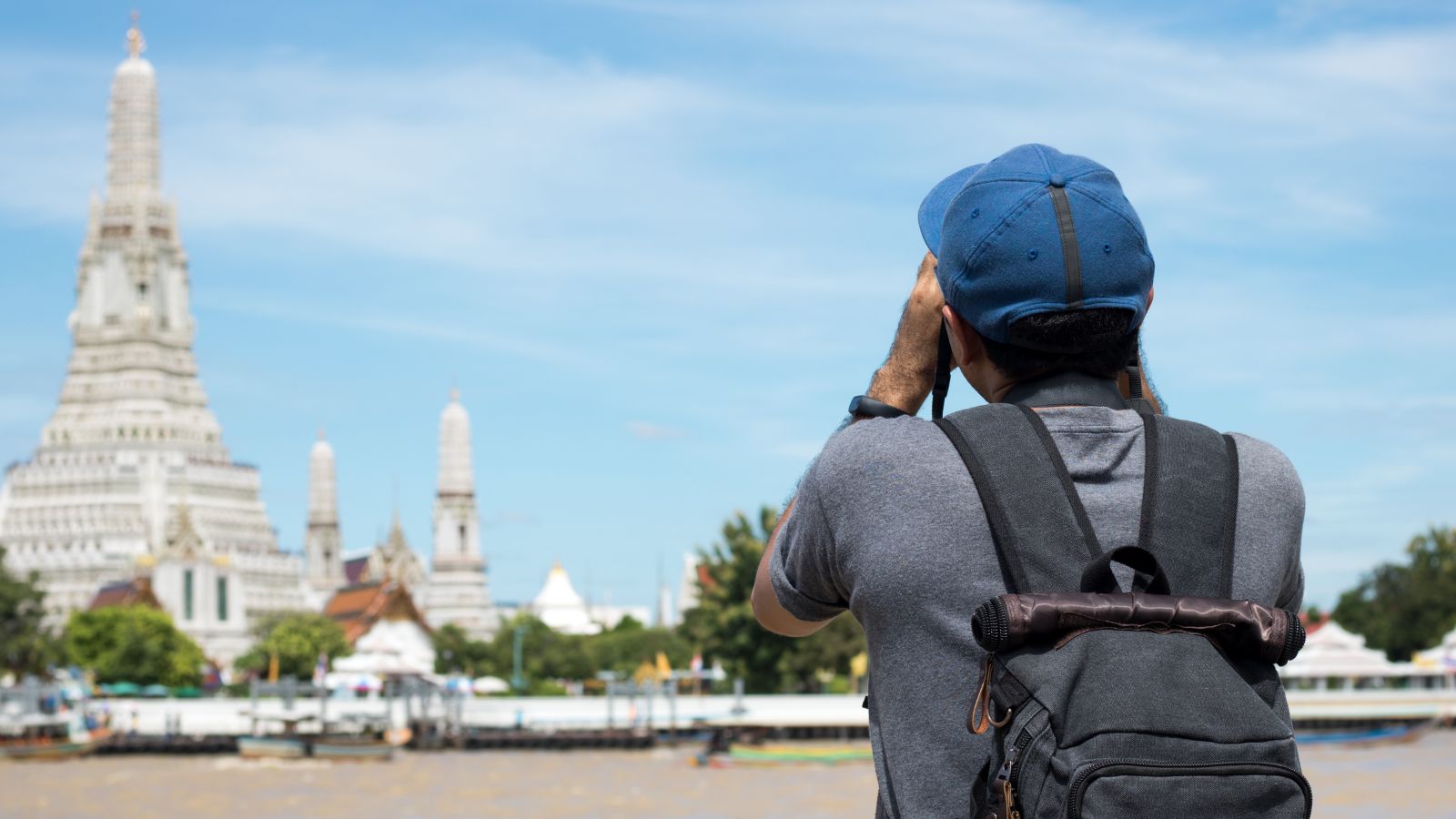
6. Protejați-vă și faceți copii de rezervă pentru munca dvs. din mers
Nothing kills the joy of a great trip faster than lost images.
Adopt a triple-backup mindset:
- Primary storage: Your camera’s SD card
- Secondary: Portable SSD or hard drive
- Tertiary: Cloud backup (if you have strong Wi-Fi or use a device like GNARBOX)
Additional protection tips:
- Keep SD cards in a case, not loose in your bag.
- Don’t erase cards until images are backed up in at least two other places.
- Use weatherproof bags and padded inserts to protect gear from moisture and shock.
Also, shoot RAW. It gives you more control in post and saves image quality in unpredictable lighting.
7. Spuneți povești, nu doar filmați
Anyone can take a beautiful photo. But storytelling—that’s what makes an image meaningful.
As you travel, ask yourself:
- What’s unique about this place?
- Who lives here and what’s their story?
- How does this landscape make me feel—and how can I show that?
- What are the little moments between the big views?
Instead of trying to hit every scenic lookout, focus on building a visual narrative. One that weaves together context, detail, emotion, and perspective.
Sometimes, the best image isn’t the mountain peak—but the worn boots that got you there.
8. După călătorie: Editați, coordonați și distribuiți în mod intenționat
Once you’re home and the photos are safely backed up, the real magic begins.
- Cull first: Be ruthless. Only keep what serves your story or purpose.
- Edit consistently: Choose a color palette or mood that reflects the location.
- Organize into sets: Group by theme, day, or story arc.
- Add metadata: Locations, keywords, and tags help you later (especially for stock submissions).
- Write about your experience: A caption, a blog post, a journal—it adds personal texture to your visuals.
Consider creating a photo essay, zine, or gallery. Share your work in ways that go beyond social media—think depth over dopamine.
Gânduri finale
A photography trip is part expedition, part meditation. It invites you to slow down, observe deeply, and fall in love with the world through your lens.
By planning intentionally—while staying open to spontaneity—you set yourself up for both technical success and soulful discovery.
So go ahead, map your route. Charge your batteries. Pack your gear. But more importantly, prepare to see—to witness, to feel, and to return with not just images, but experiences.
Because the perfect photography trip isn’t about getting the perfect shot.
It’s about letting the world change how you see—frame by frame.


 Romanian
  English